15 Business Books For Side Hustlers & Budding Entrepreneurs

The knowledge I have obtained from both listening to, and reading the books below, has helped me to navigate my own business journey with more confidence, I seem to have a knack of reading just what I need to precisely when I need it a lot of the time!
I have drawn some real parallels from the early days of many of their stories, they have helped me to overcome some of the worries and challenges faced when growing my own side hustles and businesses.
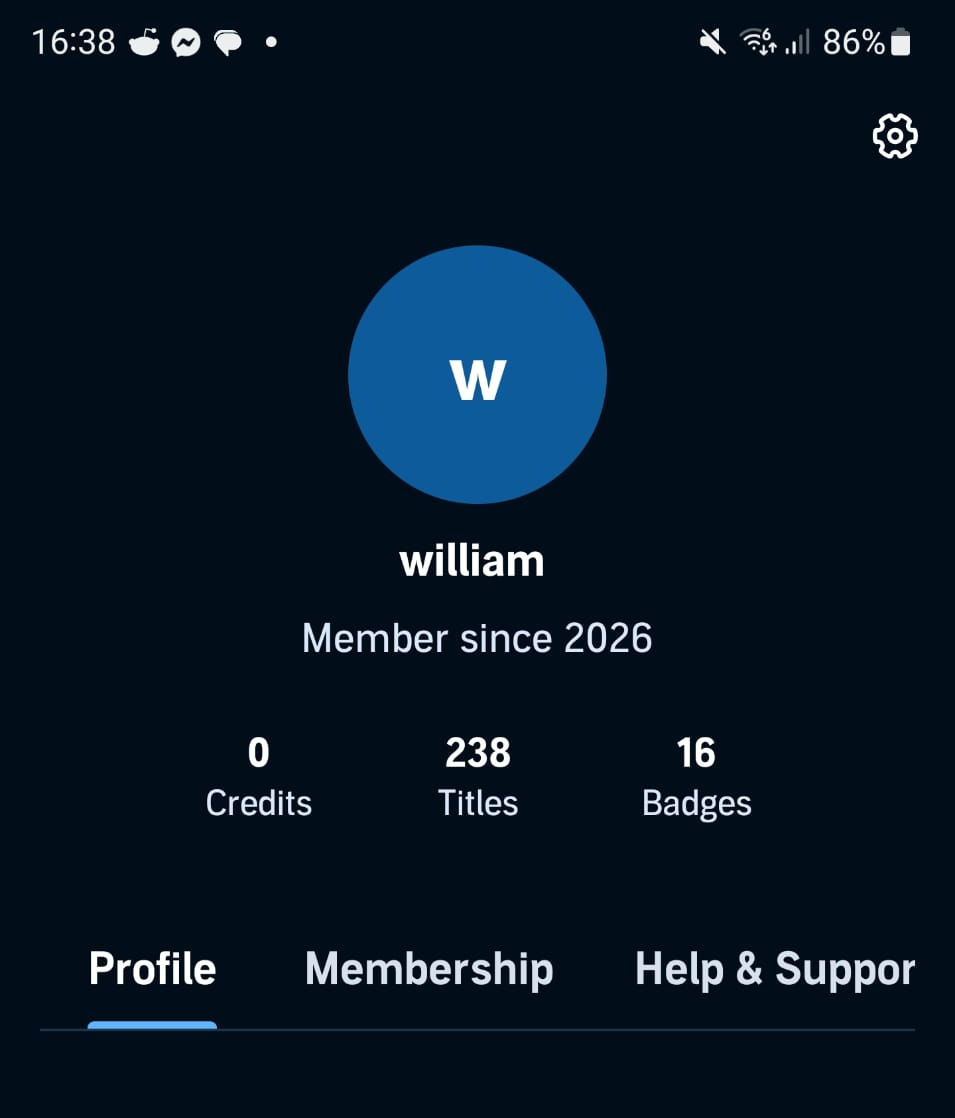
I have listened to 238 books now and made a list of my absolute favourites below. These books contain a wealth of business knowledge and strategic thinking, they are crammed full of ideas and solutions. Anything from designing your own products, to marketing and selling them and what to do when it all goes wrong!
I prefer audiobooks, so all of them with the exception of Alan Sugar's Autobiography, can be listened to on Audible. I will keep this list updated as I discover more books that teach me something useful! (last updated 15th June 2026)
Please comment below or send your book suggestions to bgiles@theproperhustle.co.uk I'm always looking for more to read.
Quick Navigation
Gerald Ratner: The Rise and Fall...and Rise Again — Gerald Ratner
The Real Deal: My Story from Brick Lane to Dragons' Den - James Caan CBE
65 Roses and a Trunki: Defying the Odds in Life and Business — Rob Law
Bootstrap Your Life: How to Turn £500 into £350 Million — Oliver Cookson
We Can All Make It: Star of Dragons' Den shares her secrets of success - Sara Davies MBE
My Top 3 From The List
I highly recommend reading, or listening to these 3 books first, they are hugely inspiring to me, especially coming from a crafting and manufacturing background myself. They are an absolute gold mine for anyone wanting the honest gritty path of a real business journey.
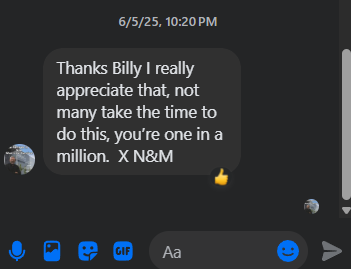
The Answer Is Yes Now What's The Question? by Neville Wright This book is an amazing real story of, hard work, determination and calculated risk taking that all started with a Leather shammy, a bucket and some ladders, and ended in a £70 million buyout. Neville and his wife made the perfect team! I thanked Neville for his book and he messaged me back, I was a little star struck to say the least!
We Can All Make It: The Star of Dragons Den Shares Her Secrets Of Success by Sara Davies Another amazing book about Sara's first product "The Enveloper" how she made it with her family helping, and then how she went on to become one of the most recognisable business women in Britain. She really captures her journey in such an honest and gritty way and is very inspiring and creative.
And finally buy a physical copy of What You See Is What You Get by Alan Sugar It's by far my favourite book. It takes you from Alan's childhood into the beginnings of his entrepreneurial journey and eventually to his overwhelming success, he is a hugely intelligent man, this book tells you exactly how he started and built his empire, and encapsulates what it means to be called an "entrepreneur".
How Audiobooks Became An Important Part Of My Life
I can't say what made me choose audiobooks, I think I got a new phone and wanted to use the fancy headphones haha. I'm so glad I did because without audiobooks I know I wouldn't have made the progress I have so far.
Time was in short supply while working full time and trying to build my own business, and I wanted to learn some of the basic business skills and develop my own understanding of what makes a successful businesses work, and how to go about building one myself, I realised that listening to books was a real time saver.
I can listen to them while I'm working, while out on walks, while I'm led in bed or doing my daily chores! They actually enhance my day tremendously and if you haven't tried them yet, I highly recommend giving them a go. So far I'm just under 6 months listening time on Audible, all while doing other things, a huge time saving!

Audible and YouTube premium are my go to platforms, but you can also use Spotify and a few other lesser known platforms such as Xigxag and Calibre.
The Full List - 15 Of My Favourite Business Books (last updated 15th June 2026)
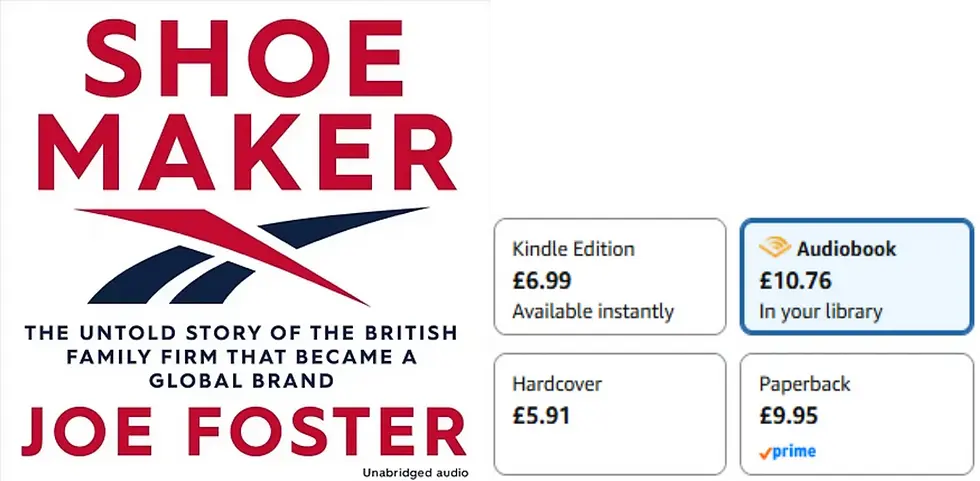
The story of Reebok, told by the man who built it. Foster was born in Bolton in 1935 into a family that had been hand-making running shoes since the 1890s — his grandfather's firm shod the runners later made famous in Chariots of Fire. After a family bust-up, Joe and his brother Jeff struck out on their own in 1958 and named the company Reebok. By the late '80s it had grown into one of the biggest sports brands in the world, for a time outselling both Nike and Adidas. If you liked Shoe Dog, this is the British version — and a Lancashire one at that.
I listened to this book while running my wax melt market stall in Accrington and met a relative of DR Ron Hill MBE briefly at my stall, it was such an unbelievable moment, and it was weeks after I'd listened to this book, we chatted about the Ron Hill race, held annually in my home town of Accrington, and I recalled how Hill worked with Reebok and helped them design a lightweight racing shoe, called the ‘World 10"
The World Record: When Ron Hill won the 1970 Commonwealth Games Marathon in a blistering, world-record time of 2:09:28, he did it wearing a pair of custom-made Reebok World 10 racing flats.
The Boston Marathon: He also wore Reebok when he became the first British man to win the iconic Boston Marathon in 1970.
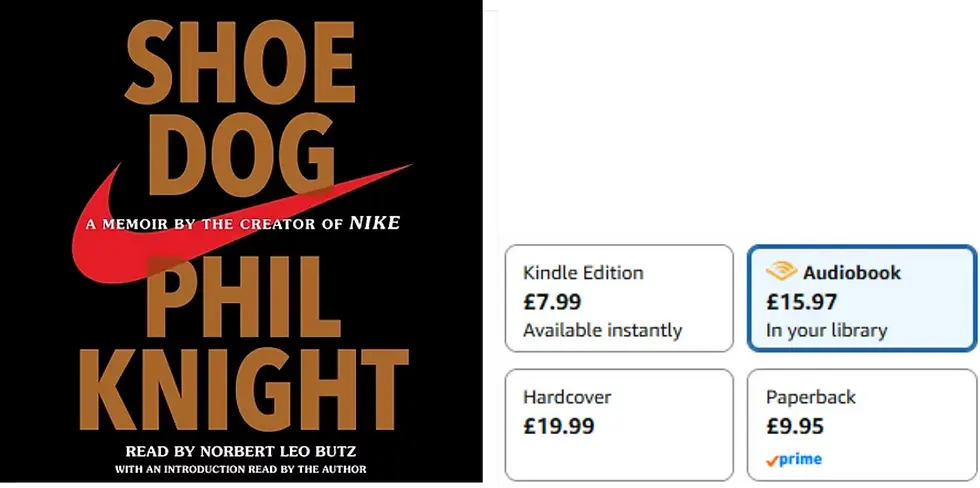
Shoe Dog — Phil Knight - Audible
I listened to this book just before I discovered Shoemaker by Joe Foster
It's the story of how the business Nike started. Phil Knight starts with his idea to import Japanese running shoes, and takes you through a very honest story of they became a household name.
The real value from this book to me is how they overcame their lack of marketing budget by leveraging competing athletes to market their shoes for them, a strategy that has seen them grow into a world leader. Eventually creating the Air Jordan which has gone on to generate $45bn in revenue for Nike since.
If you want proof that testing your products can be valuable and set you apart.... Bill Bowerman had the idea to create the tread of the shoe using a waffle iron which proved to be a great move, instantly giving the shoes incredible grip and shock absorption, which increased the value of the shoes immensely.
We tested waxes and scent oils for 7 months when starting Shelleys wax melts because we knew none of our competition would go to these lengths, we also chose unique packaging that no one else used and made our own labels to pay for it. we didn't leverage athletes, but we leveraged supermarket workers to spread the word by offering them samples and reduced prices. This definitely helped to spread the word about our wax melts locally.
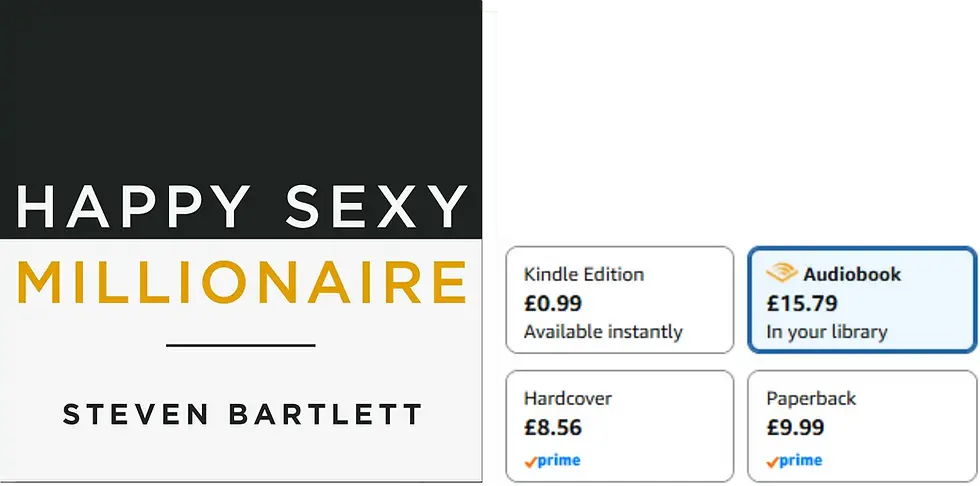
Happy Sexy Millionaire — Steven Bartlett - Audible
Bartlett's first book. As a broke 18-year-old he wrote in his diary that he wanted to be a "happy, sexy millionaire" by 25 — then got there, with a business worth hundreds of millions, and found out that he was happier when he found spare change down the side of takeaway chairs one night and could afford to eat again.
It teaches you to stop comparing yourself to others, and that the image we are sold on social media about success, wealth and happiness is simply not true, true happiness comes from connection and accomplishment for yourself, it's about finding a purpose that fulfils you.
If you live a life of chasing attainment and comparing yourself to others who are more "successful" you will never truly be fulfilled because once you have attained the next milestone, you will always be left wanting more. Never stopping to celebrate your achievements or to reflect on how far you have come.
This book resonates with me personally because I was perfectly happy when we were down to our last £1.72 and spent it on a birthday card for someone. Early in my business journey like a lot of people, I lost sight of what was important for a while, sacrificing important relationships in the pursuit of glory, so heed this warning! Money will never make you happy!
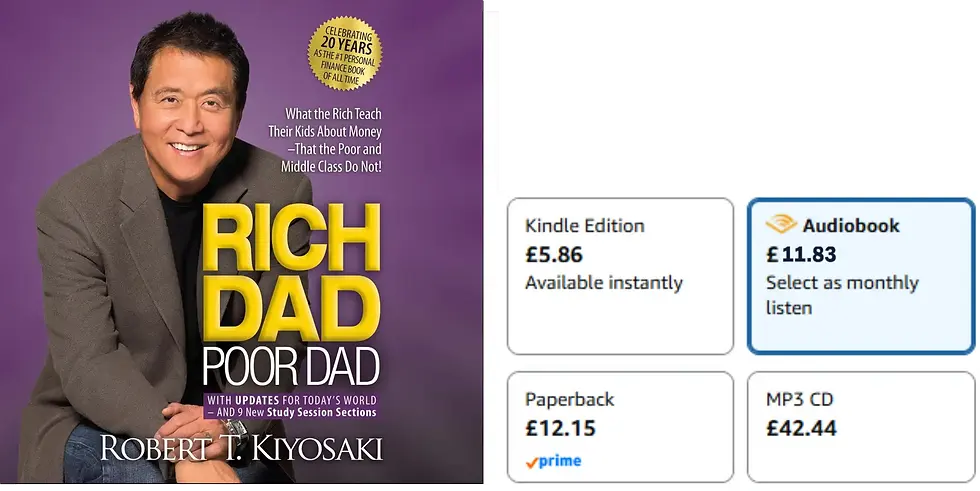
Rich Dad Poor Dad — Robert T. Kiyosaki - Audible
A must read for anyone who wants to know what truly separates wealthy people from poor people. It's all about the mentality behind building wealth and how you spend your money.
It's about how lack of financial education and the decisions you make around your spending compound for the better or the worse exponentially over time.
It's about how 2 people of a similar intelligence can vary in wealth massively based on the decisions they make.
To generate true passive income you need to focus on buying assets (things that make you money) instead of spending on liabilities (loan interest for example) and you need to learn about compound interest!
Ever since reading this book, I have looked at my own finances, trimmed my liabilities almost to zero, I have doubled the spare cash available to me at the end of the month and I'm even building this website as a potential passive income asset, so if a book can have this impact on me then surely it's worthy of a top 20 spot! The only reason it's not in my top 3 is because I resonate with those mindsets the most.
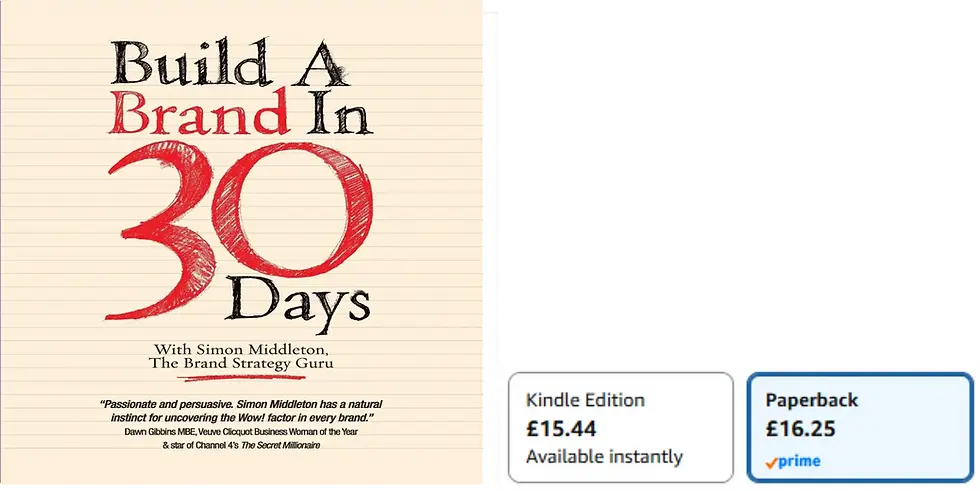
A practical branding workbook from a consultant who's done brand work for the likes of Pret and big-name charities.
This was the first book I read that made me think about branding in terms of how our customers felt when the visited our shop, or purchased and used our products. It wasn't about a fancy bold logo or some marketing spiel in a facebook post. It was about how to provide such a great experience to our customer that not only did they value our products, but they would become our biggest advocates.
We created an image but by creating a community of wax melt lovers, we managed to propel our business from a market stall into a high street shop of our own.

This is one of my favourite books. Neville Wright and his wife Marilyn decided that what ever happened to them when they took risks, that life could never get worse than living in a caravan with no electricity and no water with a newborn baby.
This realisation empowered them to make fearless business decisions, and when combined with both Neville's tremendous work ethic and determination and Marilyn's business acumen and operational talent, they were able to build Kiddicare, a brand that sold for £70m.
Neville started by cleaning windows, borrowing his dad's ladder and spending 37p on a shammy and squeegee, and then quickly took on extra work doing small property maintenance jobs such as painting window frames, meanwhile Marilyn started selling baby clothing, and what follows is one of the most inspiring stories you will find about starting and growing a business.
It's fun to see them on facebook enjoying later life and their success and if anyone deserves to, it's them!

The most famous self-inflicted wound in British business, told by the man who did it. Ratner built the world's biggest jewellery chain — around 2,500 shops — then at a 1991 dinner joked that one of his products was "total crap." It wiped roughly £500m off the company almost overnight, he lost nearly everything, and "doing a Ratner" entered the language. The book is the full story, comeback included.
I found this book fascinating and although I haven't got an anecdote personally for this book helping me in any way so far, I admire the humility of Gerald and his ability to laugh it off and rebuild when many would have crumbled.
The media are not portrayed very well, and really should be ashamed for what they did to this once great business.
You can see why large companies employ PR agents these days!
Key points:
Words matter — know your audience before you open your mouth.
One throwaway line can undo decades of work.
He faced the wreckage rather than hiding from it.
He rebuilt — a health-club business, then a successful online jewellery firm.

Before Dragons' Den, Bannatyne grew up poor in Clydebank, did a stint in the Navy, then at 30 bought an ice cream van for £450. He turned it into Duncan's Super Ices, then moved into bedsits, then care homes (sold for £46m), then health clubs. The whole argument is in the title: he's no genius, he just spotted opportunities and took them — and reckons you can too.
Key points:
Start with what you can afford — a £450 van — and reinvest the profits.
Spot where the money's guaranteed (he used government rent schemes early on).
Be willing to sell up and bet it all on the next, bigger thing.
Seizing an opportunity beats waiting for the perfect one.

From a Brick Lane childhood to Dragons' Den. Caan dropped out of school at 16 and started his first business from a Pall Mall broom cupboard, armed with two bits of his dad's advice. He made his money in recruitment — the Alexander Mann Group, £130m turnover — then private equity, then telly. Honest about what hitting his goals too early actually felt like.
James is also a philanthropist like many business owners and he has been involved in some brilliant projects.
I drew parallels with this book as I once rented a virtual office space and put a photo of it on Goto Workwear's website to make us appear much larger than we actually were. We could supply companies at the same volumes as everyone else, but we were just an ultra lean version of this business model and felt that it would impede us if people knew we didn't have our own building or factory.

A brutally honest cautionary tale. Jordan built the Pocket Phone Shop, sold it for £75m, and at 32 bought his boyhood club, Crystal Palace — the youngest owner in the Football League. Ten years later the club was in administration and he'd lost most of it. The book lifts the lid on how football really works, and he doesn't spare himself.
Key points:
Getting the dream isn't the same as getting what you wanted.
He's frank about the ego and the mistakes, not just the wins.
An eye-opener on the money and politics behind football.
Sometimes the smart move is knowing when you've had enough.

Law invented the Trunki — the kids' ride-on suitcase — and famously got humiliated on Dragons' Den, where the strap was yanked off on telly and his idea was called "worthless." He built a global brand anyway. He was also born with cystic fibrosis ("65 Roses" is how little kids say it), lost his twin sister to it, and was told he wouldn't see his twenties. A proper defying-the-odds story.
Key points:
A no from the "experts" isn't the end — he went it alone and won (Bannatyne later admitted not investing was his big regret).
Resilience, in life and in business, is the whole game.
You can create a brand-new product category if you back yourself.
Hard knocks early can be the making of you.
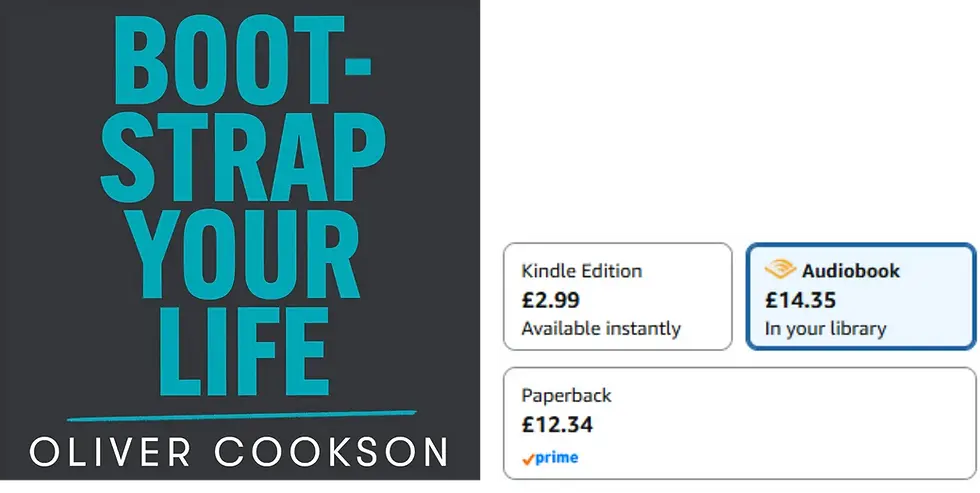
Cookson left school at 16 with one GCSE and started Myprotein from a lock-up with a £500 overdraft, combining a passion for fitness with his self-taught web skills. He scaled it fast and sold to The Hut Group — the subtitle is "How to turn £500 into £350 million." Part story, part step-by-step on how to think like an entrepreneur.
I really enjoyed this book, because it gets into the nitty gritty of breaking a product down, seeing how you can differentiate and then arranging the packaging to stand out and be as profitable as possible. I love Oliver's simple approach, and his vision to expand his range once he got the formula right, and his passion for his field. You can see his absolute obsession for his products come through, and when you have that kind of passion you are almost guaranteed to make an impact.
Key points:
You don't need outside money or qualifications — he had neither.
Combine what you're into with a skill you can teach yourself.
Move fast, stay lean, and spot trends before the competition.
Bootstrapping is a mindset as much as a method.
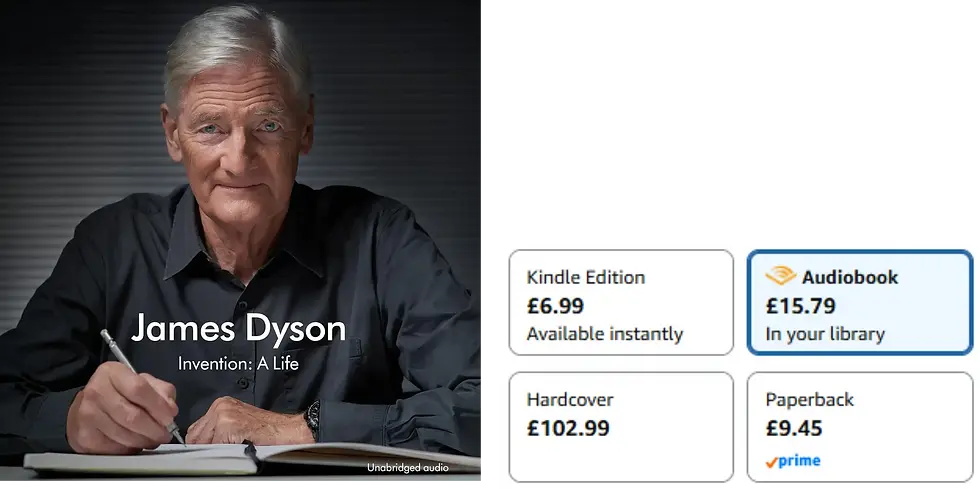
Dyson made 5,127 prototypes over four years before he cracked the bagless vacuum — and was nearly broke doing it. He'd already been forced out of his first company and lost the patent on an earlier invention. The book is really about failure: that there are no shortcuts, and that trial and error teaches you more than any classroom.
This book really is a story of determination and effort, I love the way he just failed his way to success. I'm on my 4th venture, and every one before this has led to me upgrading my knowledge and abilities, which then helps with the next venture. Momentum seems to build with experience so this book really captures that spirit.
Key points:
5,127 failed prototypes — persistence is the actual skill.
Treat failure as information, not defeat.
He's wary of market research; sometimes you back your gut.
Protect your ideas — he learned the hard way what losing a patent costs.
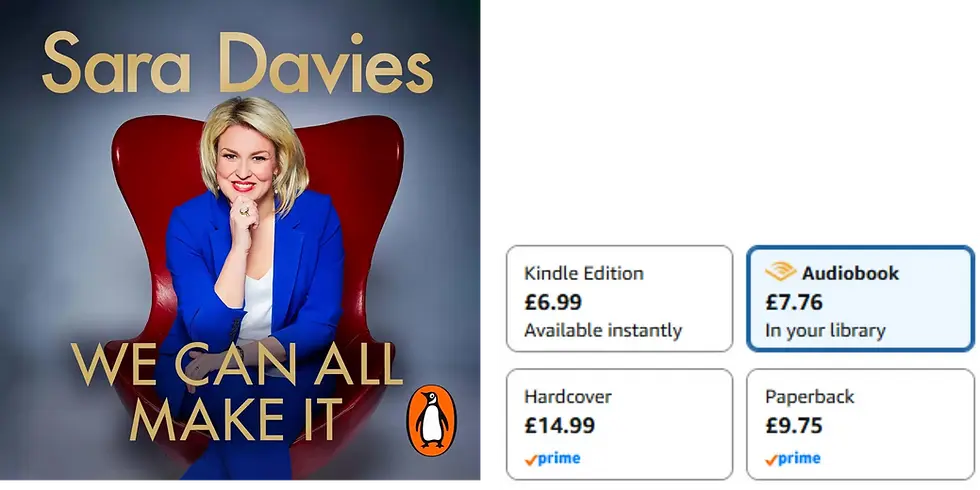
We Can All Make It: the star of Dragons' Den shares her secrets of success — Sara Davies MBE - Audible
As an intern at a small craft firm she spotted a gap — a tool to make your own envelopes for handmade cards — built the prototype with her retired-engineer dad, and was running a business from her student bedroom turning over half a million before she'd even finished her degree. By the time she joined Dragons' Den it was £25m. Told in her plain North-East voice (mam, pet and all), and a cracking read if you're a maker wondering whether the kitchen-table thing can actually go somewhere.
Again this book is in my top 3 because Sara takes you through the journey from an idea right up to her success, showing you all the hurdles she had to overcome, all the doubts she had, all the risks she took and effort she had to put in to get there, often stepping out of her comfort zone to drive her business forwards, a master class in starting your own business from home.
Key points:
A proper maker's story — she built a global craft business off a single product she designed herself (the Enveloper).
Spot the gap, build the thing, sell it — she was turning over £500k from her bedroom before she graduated.
Good storytelling sells; she rates it as the key to shifting product.
Honest about the graft — overnight shifts manning the factory with her mam and dad, not a polished highlight reel.
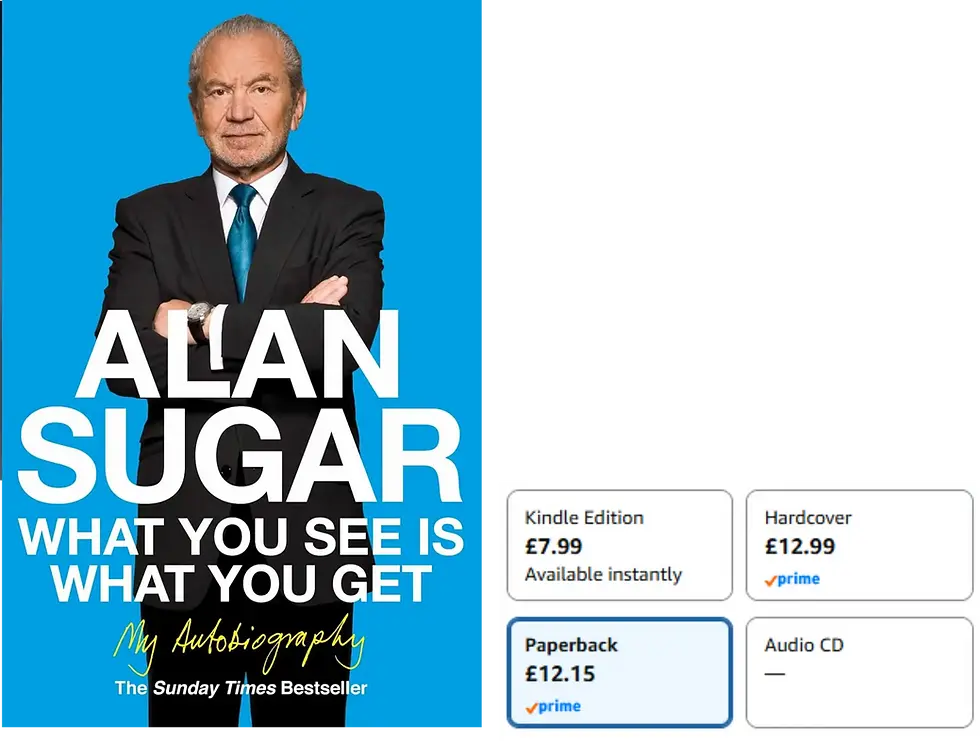
(The one that's not on Audible.) From a Hackney council estate to the House of Lords. Sugar started selling ginger beer as a kid, set up Amstrad at 19, and built it into an electronics giant — budget hi-fis and computers, and the gut-instinct deal with Rupert Murdoch to make Sky satellite receivers at £199 when they were going for £5,000. Tottenham, The Apprentice, a knighthood and a peerage all came later. Blunt as you'd expect, and the business detail is the good stuff.
This will always remain my most favourite read and I have read it multiple times, I hope one day that he brings it out in audiobook format in his own voice and updates it to include his most recent achievements.
You will not find a more inspiring thought provoking book, that encompasses everything that makes up a successful entrepreneur. I love this book because I'm an engineer and you can see how Alan takes his ideas from a hastily draw plan using a sewing kit in a hotel room to a fully functional product that trumps the competition, time and time again.
He reminds me of Neville Wright, he just says yes and figures it all out later. But he has done it multiple times so his book tops my list by far.
Key points:
Rise-from-nothing graft driven by a fear of going without.
An eye for an opportunity and the nerve to promise before you know the how.
Hard-nosed negotiation and big orders to drive costs down.
He's honest about the near-disasters as well as the wins.
Well there you have it, my top 15. If you can think of any other books I should listen to, or have any favourites of your own, I would love to hear how they helped you.
I will review this list and add to it with more of my favourites.
Please feel free to explore our other guides:


Comments