What Is a Side Hustle? A Practical UK Guide From Someone Who's Started Three

A side hustle is just something that earns you money outside your normal job.
That's the simple version anyway.
It's flipping things on eBay. Maybe it's selling what you make at markets. It's using a skill from work to earn a bit extra in the evenings. Whatever form it takes, the idea's the same: your wage keeps coming in while you build something of your own on the side.
I've started three side hustles over the years and eventually turned all three into proper businesses. Some made money quickly. Some took longer. All of them taught me the same thing: the best side hustle isn't the one promising six figures on TikTok. It's the one that fits around your life, makes money and that you enjoy doing!
Mine were:
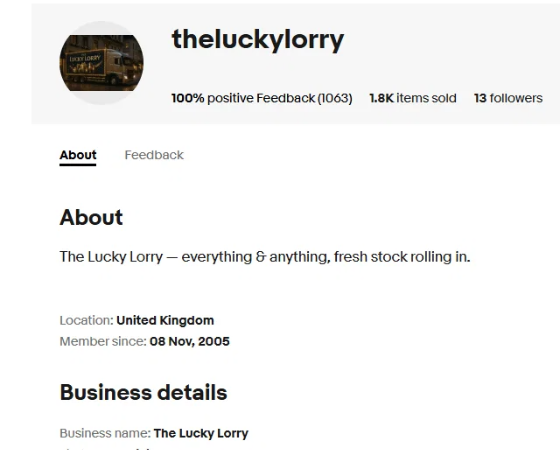
The Lucky Lorry on eBay - Selling clothing and other items I found and could flip for profit.
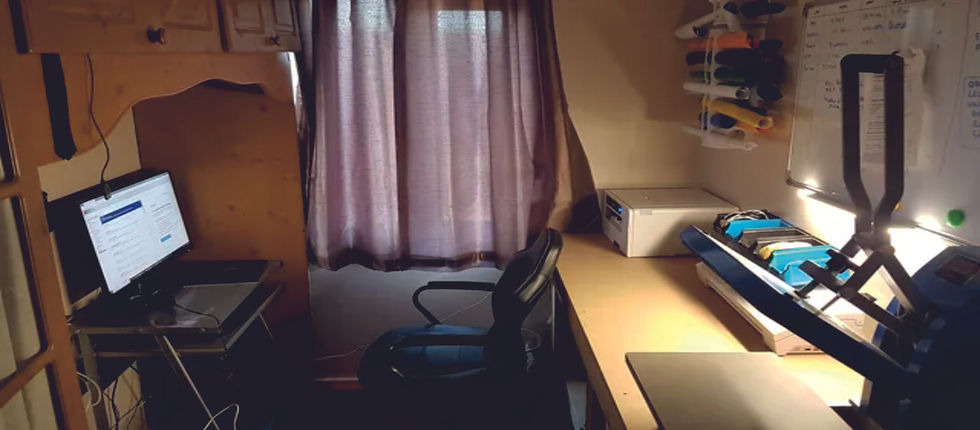
Goto Workwear Ltd - A printing and embroidery company providing workwear to businesses mainly. We were based in Oswaldtwistle.
Shelleys Waxmelts - A high street shop and website selling waxmelts based in Accrington.

The line that actually matters (hobby, side hustle, business)
Most guides lump these together. Keeping them straight is what keeps you out of bother.
A hobby costs you money and you do it for the love of it. A side hustle makes you money alongside your main wage, and you're trying to turn a profit even if it's a small one. A business is what a side hustle turns into when it grows up, usually once it's paying most of your bills.
The bit that catches people out is where tax starts. Right now half the country is having a clear-out and shifting bits on Vinted, eBay or down the Sunday carboot. If you're only selling your own old stuff — clothes you've worn, the kids' outgrown toys, a loft full of things you bought to use — you can relax. You're not running a business and there's nothing to declare. You bought it for yourself, you're selling it for less than you paid, and that's tax-free. The one exception is a single personal item that sells for more than £6,000, like jewellery or an antique, which can be different, but that's not most people's loft.
What changes things is your intent. The minute you start making things to sell at a profit, or buying stuff specifically to sell it on for more than you paid, you've started a side hustle, and in tax terms you're running a business. That doesn't mean paperwork from day one though. There's nothing you need to tell HMRC until your takings pass a certain point, which I'll come to.
Plenty of people get the bug right here, when that first bit of clutter cash lands and they fancy taking it more seriously.
If that's you, keep reading.
Why so many of us are at it now
People have always done a bit on the side. What's changed is how normal it's become, and it's not hard to see why.
The bills went up and the wages didn't keep up. At the same time, the tools to start something got cheap and easy.
You can list on eBay or Facebook Marketplace off your phone in five minutes. You can offer a skill from the settee. You can test a product on a market stall for the price of the pitch. The hard part used to be getting started, and that's basically gone.
Money's the obvious reason, but it's not the whole of it. For a lot of people it's about not being skint at the end of every month, not having everything riding on one wage and one payday, and having something that's actually theirs for once.
The extra few quid gets you started. What keeps you going is usually the feeling of building something instead of just clocking in and out. Worth being straight with yourself about which one you're chasing, because it changes how hard you push.
One thing I'd steer you well clear of is the five-grand-a-month-working-two-hours stuff you see online. That's not a side hustle, that's somebody flogging you a course. Anything real pays you for real graft. None of it's free money.
The 3 rules of a side hustle that actually lasts
Most people pick something off a random list, can't stand the day-to-day of it, and jack it in within a month. If you want one that lasts past the first bad week, it needs to pass three tests.
1. Keep it pocket-sized. You don't need a loan or to risk everything to test an idea. When I tried an eBay clothing line I started with £72. When I set up a local workwear business, we risked about £400 before the first order came in. Test it cheap. Only put real money in once you know people will actually buy.
2. Don't tie up all your cash. Profit on paper means nothing if there's nothing in the bank. The classic beginner mistake is launching five different products at once and finding every penny's tied up in boxes of stock in the spare room. Find your one best seller, prove it works, and let that pay for the next move.
3. Make it fit your shifts. You'll be doing this when you're already shattered from work. If you do long hours or nights, your time's tight, so the hustle has to fit round your life instead of wrecking it. Weekends free? Do something that works at weekends. On nights? Set up your messages so they answer for you and put firm cut-off times on orders, so customers aren't chasing you while you're trying to sleep.

Which lane is yours?
Forget the giant list of fifty ideas. Nearly every side hustle is one of three types. Pick the one that suits your skills, your life and how much risk you can stomach, not the one that looks biggest on paper.
Here's the three at a glance:
Type | Startup cost | Risk | Time it takes |
Flipper — buying and reselling | Low | Low | Medium |
Maker — making things to sell | Medium | Medium | Medium to high |
Doer — services and skills | Very low | Low | High (you're selling your hours) |
Lane 1: The Flipper (buying and reselling)
Hunting round car boots, charity shops and clearance lots for stuff that's going cheap, then selling it on through eBay, Vinted or Facebook Marketplace. This is where I started.
It's the easiest one to begin with because it needs hardly any skill up front. You don't have to guess what sells either — you can stand in the charity shop and check on your phone what something's actually sold for recently. You buy your next lot of stock out of what you've already made, so it stays low-risk.
The skill you pick up over time is knowing what shifts and not getting attached to stuff that won't. If you want to do this one properly, my full eBay UK Sellers Guide covers fees, pricing and postage from your first sale to a steady second income.
Lane 2: The Maker (turning a hobby into money)
Making things at the kitchen table or in the shed — wax melts, candles, prints, jewellery, baked goods, doing up old furniture. Selling through Etsy, your own shop, Instagram, and local markets and fairs.
There's a proper buzz to this one. Going from a hobby on the kitchen table to your first hundred-quid day at a market is a cracking feeling. You start small, a cheap local pitch and a little batch, and put the takings back into more supplies.
The thing most makers skip: work out what one unit actually costs you before you price anything. My wax melts cost about £1.63 each to make and sold at £5, but I only knew that because I'd added up the wax, the fragrance, the packaging and the labels properly. Loads of makers "sell out" at a fair and somehow go home with less than they came with, because they never sat down and costed it.
If this is your lane, the Makers Lab, the Sell Online section and the UK Suppliers list will save you a fortune in trial and error.
Lane 3: The Doer (services and skills)
Selling your time or your skills for quick, clean cash. This has the lowest barrier of the lot because you already own the tool — it's you.
Local, hands-on work like dog walking, gardening, cleaning, odd jobs or delivery driving needs basic kit and a tight local patch to keep the petrol down, and you get paid quick. It's steady and it's underrated, and round most areas there's more people wanting it than offering it.
Desk or trade skills work too. If you do CAD drawings, bookkeeping, estimating, design or admin in your day job, small firms and local tradesmen will happily pay you a set price to sort their paperwork of an evening or at the weekend.
One bit of advice for this lane: it's far easier to get known for one specific thing than to be a jack-of-all-trades up against everybody. "Cleaner" is a crowded market. "The person who does end-of-tenancy cleans for local letting agents" is not. Narrow it down like that and you'll get found quicker, and you can charge a bit more for it.
Not sure what to charge once the work comes in? Run a job through the Sole Trader Profit Calculator and you'll see what's actually left after costs and tax.

A straight word on tax (it's simpler than the panic makes out)
Most of these guides go quiet here, or wave at it with one line. It's not as scary as it sounds once you know the rules, and knowing them is the difference between a tidy little earner and a nasty shock. I'm not an accountant and this isn't official advice, so always check the current rules on GOV.UK, but here's the plain version.
The £1,000 trading allowance. You can earn up to £1,000 (before costs) from trading in a tax year without paying a penny of tax or telling anyone. HMRC calls this the trading allowance. The word that trips people up is "before costs" — that's your total takings, not your profit. Sell £1,400 of candles after spending £600 on materials and you're over the line, even though there's only £700 profit in it.
When you have to register. In most cases, once you go over that £1,000 you'll need to register for Self Assessment and do a tax return. You've got until the 5th of October after the end of the tax year you went over in (the tax year runs 6 April to 5 April). You won't suddenly owe a fortune — the first £12,570 of everything you earn is tax-free under the Personal Allowance, and you only pay on profit — but the need to file kicks in once your takings hit £1,000. If you want to see what a hustle would actually leave you with, stick the numbers in the Sole Trader Profit Calculator before you start.
The "£3,000" headlines. You might have seen these knocking about. The honest version: back in March 2025 the government said it plans to lift the Self Assessment reporting threshold from £1,000 to £3,000, probably around 2027/28. As things stand in 2026 it's not law yet, so the £1,000 figure still counts. And even when it does come in, it won't make £3,000 tax-free. The trading allowance stays at £1,000. All it'll mean is that people earning between £1,000 and £3,000 use a simpler online form instead of a full return. Less faff, same tax.
The eBay and Vinted emails. Since 2024 the big platforms — eBay, Vinted, Etsy, Airbnb, Depop — have had to pass seller info to HMRC, usually once you go past roughly 30 sales or about £1,700 in a year. If you've had one of those messages, that's all it is, the platform handing over your numbers. Getting reported isn't the same as owing tax. Clearing your own loft isn't trading and isn't taxable, no matter how many emails Vinted sends you. It only counts if you're buying or making to sell at a profit.
One for down the line. If your hustle really takes off, there's Making Tax Digital coming in for income tax. It's officially rolling out right now—as of April 2026 it applies if your gross turnover hits £50,000, dropping to £30,000 next April (2027), and down to £20,000 the year after. Most people starting out are nowhere near it, but if you're climbing fast, the Making Tax Digital Checker and the Tax & Legal section will keep you ahead of it.
Short version: under £1,000 of takings, crack on. Over it, register and keep records from the start. Your own clutter doesn't count. Ignore anyone telling you £3,000 is tax-free.
The honest trade-offs
Let's not pretend it's all upside. Running something on top of a full-time job is hard graft, and you should weigh it up before you start.
The good bits | The hard truth |
A bit of breathing room. Extra money changes things — you can chip away at debt quicker, build up a bit of a buffer, and take some of the money worry off your plate. | There goes your free time. The evenings and weekends you used to switch off now have packing, messaging and chasing suppliers in them. |
You learn loads. Teaching yourself the books, or picking up design off YouTube, makes you sharper, and that tends to feed back into your day job too. | The quiet start. Some hustles are slow to pay. On our very first market stall with the wax melts, we paid for the pitch and came away with £6. That's where most people pack it in. |
It's yours. You decide what you build and how, which is the one thing a wage can't give you. | More money, more admin. Worth it when you're earning, but it's a step up from a simple PAYE wage. |
None of that's a reason not to do it. It's a reason to go in with your eyes open and pick something that fits your actual life.
How to start this weekend
Don't spend a month "planning." You can find out if an idea's worth bothering with in under a week. Here's the order to do it in.
1. Take stock of what you've got (this weekend). Look at what's already around you. A spare room? A van? A laptop with the right software on it? A skill you use at work? Pick one lane — Flipper, Maker or Doer — that matches it. One. Not three at once.
2. Check people actually want it (Monday night). Don't guess. Selling things? Look at eBay "sold" listings to see what stuff really goes for. Doing a local service? Search your local Facebook groups for "can anyone recommend a…" and see who's already asking.
3. Get a basic presence up (Wednesday night). Set up a free Facebook page or a Google Business profile. Don't buy a domain, don't print business cards, don't pay for software yet. A clear, well-lit photo off your phone of your work or your stock will do the job.
4. Get your first customer (Friday night). Post your test product or service in a few local groups, or message three people who might want it. Offer them a small discount for an honest review.
Reviews are how you build trust locally without spending anything — when we started the workwear business, getting reviews off local firms grew us online without a penny on advertising. Once you've got those first few, you're up and running.
Once you've picked a direction, the How-To Guides and the tools in The Ops Room will do the heavy lifting.
So, is it worth it?
That depends on what you want out of it, and only you can answer that. If you just want a couple of hundred quid a month to take the edge off, the right hustle does that without taking over your life. If you want the slower build towards something bigger, something that's yours, where you're not dreading Monday morning, then this is about the lowest-risk way there is to find out if you've got it in you, before you risk anything that actually matters.
Start small, keep it honest, watch the numbers and stay the right side of HMRC. The work'll soon tell you how far it can go.
Side hustle FAQs
Do I have to pay tax on a side hustle in the UK? Only on what you make above the £1,000 trading allowance, and only on the profit after your costs. If your takings for the tax year are £1,000 or less, there's no tax and nothing to tell HMRC. Go over £1,000 and you currently need to register for Self Assessment.
How much can I make before I have to tell HMRC? £1,000 of takings in a tax year, counted before you take any costs off, not your profit. The planned £3,000 threshold isn't law yet, so as of 2026 it's still £1,000.
Can I make £1,000 tax-free from each different side hustle? No. It's one £1,000 allowance across everything you're trading, added together. Two hustles bringing in £700 each is £1,400 total, so you're over.
Does eBay or Vinted report me to HMRC? Yes — digital platforms have to pass seller data to HMRC automatically, triggered the moment you hit 30 sales or total takings of around £1,700 in a single year. But getting reported isn't the same as owing tax. Clearing your own loft isn't trading and isn't taxed. It only matters if you're buying or making to sell at a profit.
What's the difference between a side hustle and a business? Mostly size and intent. A side hustle runs alongside your main wage. A business is usually your main wage. As far as tax goes there's no separate "side hustle" — there's just income, and whether you've told HMRC about it.
Do I need to tell my boss? Check your contract for anything about second jobs or conflicts of interest. As long as your hustle doesn't compete with your day job or affect how you do it, it's normally fine. Read the contract first though.
What's the best side hustle to start with no money? Selling stuff you already own, or offering a skill you've already got. Both cost nothing to start, pay fairly quick, and let you learn the ropes before you risk any money on stock or kit.
Based on real experience running side hustles in the UK. This is general information, not official tax, legal or financial advice. The rules change, so always check the latest on GOV.UK and get proper advice for your own situation.


Comments